
Opinion — 4 min read
Balon D’Owl: Svante Ingelsson is Wednesday’s most complete player of the past year
In a season that has shifted shape repeatedly, Ingelsson has stood out as the most dependable all-round Owl.
 THE WEDNESDAYPRESS.
Sheffield Wednesday still turn to their captain for calm and control — but the new regime may use him more carefully.
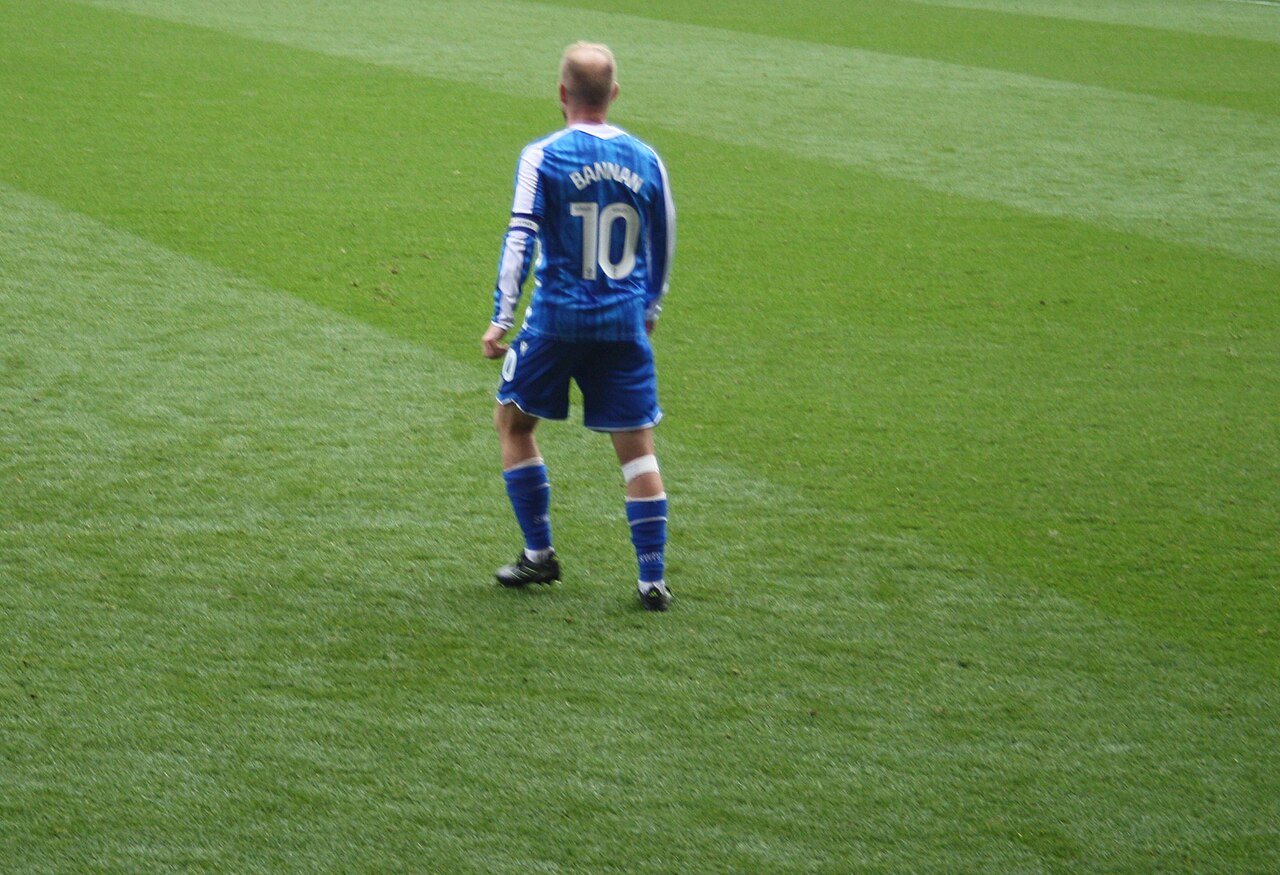
Barry Bannan remains Sheffield Wednesday’s most reliable point of control, even with the club now under interim boss Matt Hamshaw after Henrik Pedersen’s departure on 25 October.
Bannan is still in the current squad and he is still central to how Wednesday want to play. In the 5-0 win over AFC Wimbledon on 17 October, he scored and helped set the tone for a performance that was quick, front-footed and ruthless. Three days later, in the 2-0 defeat at Notts County, he started again and stayed on until the hour mark before being replaced by Billy Mitchell. That is a clear sign of where he stands now: still trusted, still influential, but no longer asked to do everything.
That matters because Wednesday’s season is still shaped by a simple question: who keeps the ball, settles the game and makes the right pass when the pressure rises? Bannan remains the closest thing the squad has to that answer. Under Pedersen, the captain was described as “so important” and as someone who would “deliver my message on the pitch”. That assessment still holds, even if the message now comes from a different voice in the dugout.
The last week has also shown the team’s wider range. Wednesday ran away with the game against Wimbledon when the attacking rhythm clicked, but they then lost control at Notts County and again at Doncaster Rovers on 24 October, where they went down 2-0. The pattern is familiar: when Wednesday can dictate the tempo, Bannan is central to that. When the game becomes stretched, his influence is naturally reduced by the amount of running and defensive work around him.
What Bannan still gives Wednesday is order in possession. He does not need to cover every blade of grass to matter. His value lies in making the side more coherent: showing for the first pass, turning away from pressure and helping Wednesday avoid the disconnected spells that can leave them exposed. That is especially important in a squad that now contains several younger midfield options, including Sean Fusire, Billy Mitchell, Jaden Heskey, Kieran Morrison, Tyler Onyango, Jordi Liongola and Jarvis Thornton. They all offer different qualities, but none yet offers Bannan’s mix of experience, timing and authority.
He also still brings end product. The Wimbledon win was the clearest recent example, with Bannan among the first-half scorers as Wednesday took full control. Even in a side with more direct attacking threats, a midfielder who can still arrive in the box and contribute goals remains valuable.
Leadership is the other obvious part of the picture. Bannan is not just surviving on reputation; he is still functioning as an on-pitch reference point for the team. That matters at a club now entering a new spell under interim management, because an experienced captain can help preserve habits and standards while the wider direction settles.
The most likely short-term use of Bannan is straightforward. He should remain a regular starter in games where Wednesday expect more of the ball, especially at Hillsborough and in matches where control matters more than raw running power. Against sides prepared to sit off, his passing range and ability to move play from side to side still make him the obvious pick.
Away from home, or in matches that become more chaotic, Wednesday may well use him more selectively. The change against Notts County, when Mitchell came on for Bannan after 56 minutes, looked like more than just a routine substitution. It hinted at a future in which the captain’s minutes are managed more carefully, particularly when the schedule tightens or the game state demands more legs in midfield.
That would make sense. Wednesday now have more running options than in some previous seasons, which gives the staff room to alter the balance without losing Bannan altogether. He can start, help establish control and then make way for fresher legs if the match turns scrappy or if Wednesday need to protect a lead. That kind of flexibility is useful over a long season.
There is also a broader tactical point. Wednesday’s best spell against Wimbledon came when the match was played at a pace that suited them: early goals, quick movement and control through possession rather than constant chasing. Bannan is still the player most suited to that version of the team. By contrast, when the game becomes stretched, as it did at Notts County and Doncaster, his influence can be limited by the amount of work required without the ball. That is less a criticism than a description of what he now is: a conductor, not a box-to-box solution.
Opinion: if Wednesday want to be a more stable and controlled side, Bannan should stay central to the plan for as long as his body allows it. The real issue is not whether he can still play, but how carefully the club manages the gap between what he can still provide and what the team now needs physically. Used properly, he should still be one of the first names on the teamsheet. Used badly, he could be left carrying too much of the burden in away games where Wednesday must do more without the ball.
The most realistic forecast is a split role: Bannan as starter, leader and reference point, but with more substitutions around the hour mark and more selective use when Wednesday need energy rather than control. He still looks indispensable, but the best path is probably to make him influential rather than exhaustive. For Wednesday, that should still be enough to matter.
Barry Bannan is not the future of the team. He is still one of the reasons the present can work.
In a season that has shifted shape repeatedly, Ingelsson has stood out as the most dependable all-round Owl.

Six straight home crowds above 30,000 have coincided with Wednesday’s strongest Hillsborough displays this season, yet the evidence says the atmosphere amplifies results more than it creates them.