
Opinion — 4 min read
Balon D’Owl: Svante Ingelsson is Wednesday’s most complete player of the past year
In a season that has shifted shape repeatedly, Ingelsson has stood out as the most dependable all-round Owl.
 THE WEDNESDAYPRESS.
Six straight home crowds above 30,000 have coincided with Wednesday’s strongest Hillsborough displays this season, yet the evidence says the atmosphere amplifies results more than it creates them.

Sheffield Wednesday’s recent home crowds have been significant, but the results suggest Hillsborough is not deciding matches on noise alone. It is deciding them when the Owls give the crowd something to amplify.
Wednesday have now posted six consecutive home attendances above 30,000, a run that stretches back to the end of last season. The 30,477 against AFC Wimbledon last Saturday set a long-standing club attendance record, while the club have said the sequence is the first of its kind since the early 1990s.
Those are notable figures in their own right. They show that Hillsborough is carrying a proper crowd again, with recent home gates of 33,750 against West Brom, 33,188 against Bradford, 30,006 against Bromley, 30,725 against Wigan, 32,390 against Stockport and 30,477 against Wimbledon. All six were comfortably within the ground’s current 34,835 capacity.
But the more interesting point is what those crowds have coincided with. Wednesday’s best home performances have tended to begin sharply, take the lead early and then keep the game moving in their favour. Against Wimbledon, Barry Bannan opened the scoring, Davis Keillor-Dunn and Harry Gray added first-half goals, and the Owls were already in command before the break. Callum Slattery and Keillor-Dunn then added two more after half-time in a 5-0 win.
That matters because it shows how the crowd works at Hillsborough. It is not simply a force that turns poor football into good football. It is more useful when Wednesday already have tempo, territory and a lead to protect. In that setting, the crowd can reinforce confidence, reward initiative and make an opponent’s recovery harder.
The contrast with the defeat at Doncaster was instructive. Wednesday fell 2-0 behind inside 16 minutes at the Club Doncaster Sports Village and never properly reset the contest, even if chances came later. In that kind of game, crowd energy is far less relevant than the state of the match itself. Once a side is chasing early, the atmosphere cannot do the job for them.
That is why it is better to describe Hillsborough’s attendance as an amplifier rather than a cause. Big gates matter. They make decent starts feel bigger and bad starts feel more exposed. But the numbers by themselves do not guarantee points.
There is also a broader footballing point here. Under Henrik Pedersen, Wednesday’s stronger home displays have aligned with a more proactive approach. The club’s own recent messaging after the Doncaster defeat has stressed responsibility, basics and the need to respond properly, which is the right frame for this discussion. If Wednesday begin games on the front foot, the stadium can become a genuine advantage. If they do not, it will not rescue them.
That is the most useful lesson from the recent sequence. Hillsborough’s crowd is real, the scale is real and the noise is real. But the team still has to earn the crowd before it can benefit from it.
Historically, the club’s own record-keeping gives the sequence extra weight. The six-match run above 30,000 is the first since the early 1990s, and a seventh straight gate of that size would take Wednesday back to the early 1950s. Those are impressive markers, but they are best read as evidence of what Hillsborough can still be when the football and the support are aligned, not as proof that attendance alone changes results.
So how much has attendance historically affected outcomes? The honest answer, based on the recent evidence, is that it has helped most when Wednesday have already taken charge. Early goals, quick starts and sustained pressure have allowed the crowd to influence the game. Slow starts and early deficits have stripped much of that influence away.
Cambridge United’s visit on Tuesday night offers the next test. Hillsborough will be full again, or close to it, and Wednesday will have another chance to turn a strong gate into a strong performance. The pattern so far is clear enough: the crowd matters, but the result still starts with the team.
In that sense, the recent attendance surge is good news for Wednesday — just not for the simplistic reason some might assume. The club have a powerful home setting again. What they need now is to keep producing performances worthy of it.
In a season that has shifted shape repeatedly, Ingelsson has stood out as the most dependable all-round Owl.
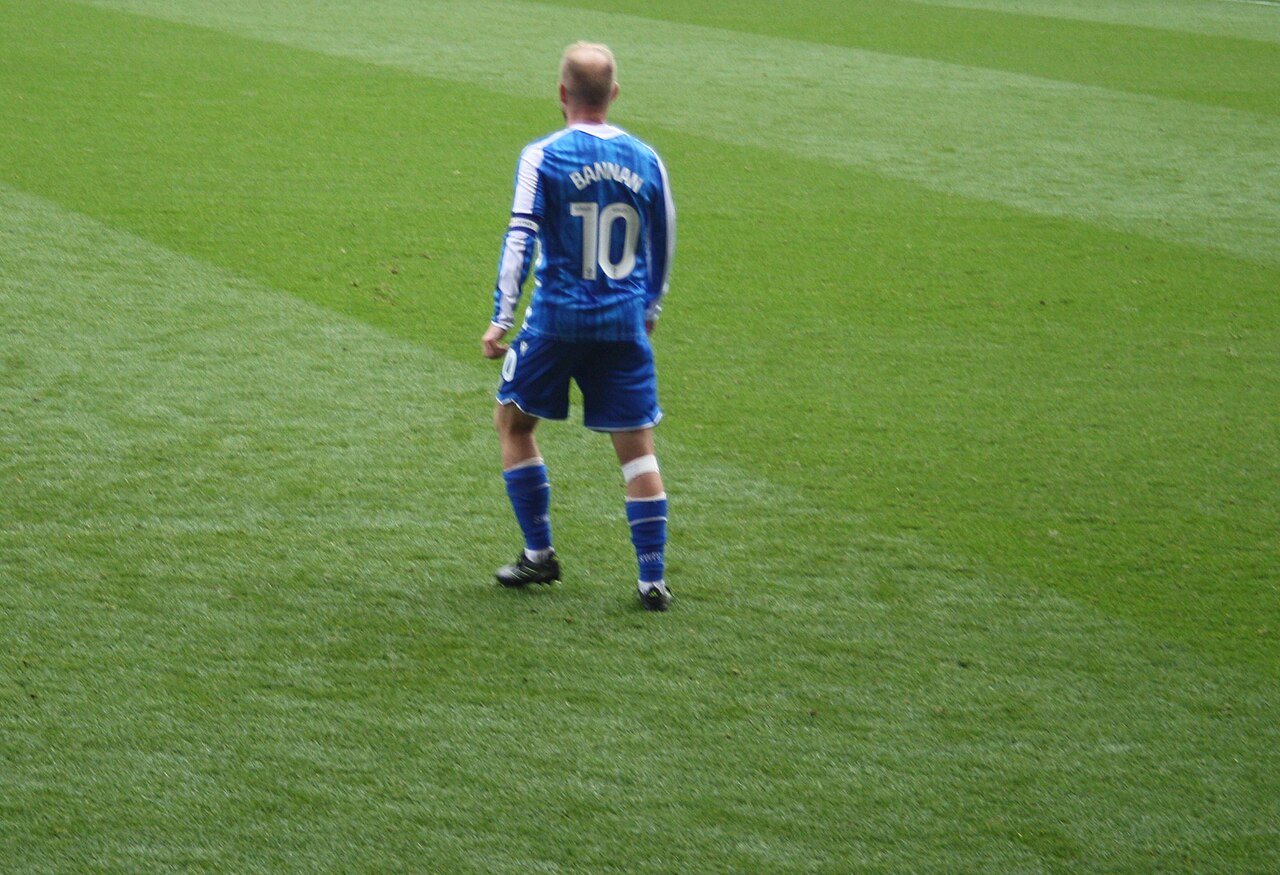
Sheffield Wednesday still turn to their captain for calm and control — but the new regime may use him more carefully.